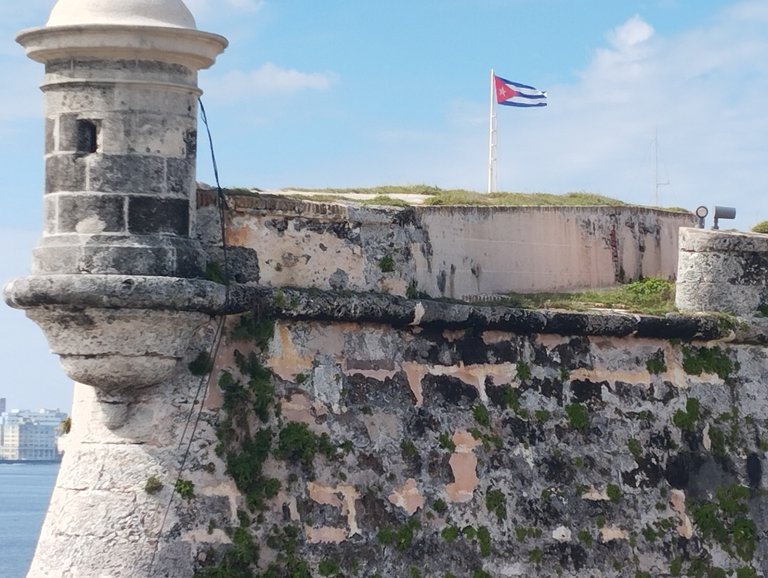


The first stop is, inevitably, the Castle of the Three Kings of Morro. Its silhouette, crowned by the lighthouse that has guided sailors since 1845, is the iconic image that has greeted thousands of ships for centuries. Climbing its ramps and entering its bastions is to feel the solidity of the stones, eaten away by saltpeter, but unbreakable.


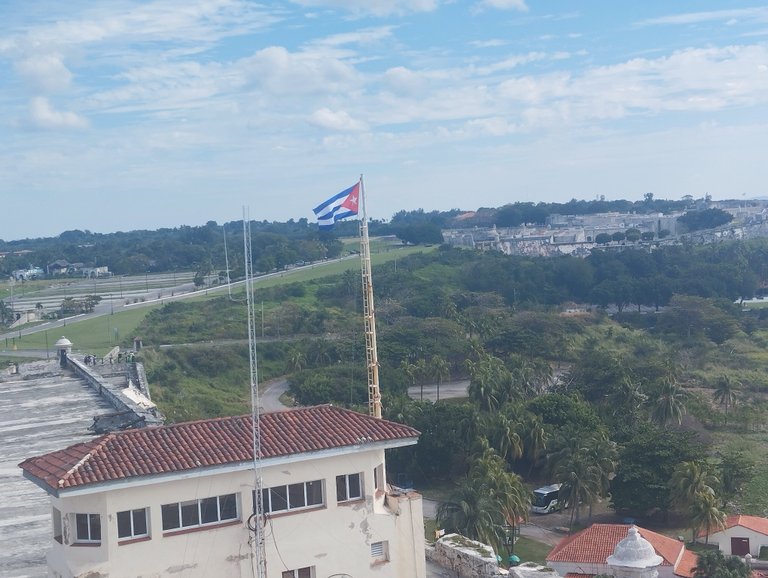
From its walls, the view is a breathtaking spectacle: all of Havana unfolds on the other side, with its winding Malecón, the dome of the Capitol and the profile of ancient and modern buildings. Here, the wind blows strongly, taking with it any murmur and leaving only the sound of the sea crashing against the reefs below. One can almost imagine the anxious gaze of the Spanish sentinels scanning the horizon, waiting for the sail of an enemy or the wealth of the Indies Fleets.


But the true walk, serene and contemplative, begins when entering the Fortress of San Carlos de la Cabaña. If El Morro is a strong arm that sticks into the sea, La Cabaña is a giant reclining on the hill, a labyrinth of moats, drawbridges and very long limestone walls that extend for more than 700 meters. Walking the Camino de Rondas is an almost meditative experience. On one side, the yellowish stone and the empty sentry boxes; on the other, a timeless panoramic view of the city, the bay and the horizon of the Atlantic Ocean. It is a place of perspectives, where the grandeur of human work mixes with the immensity of nature.


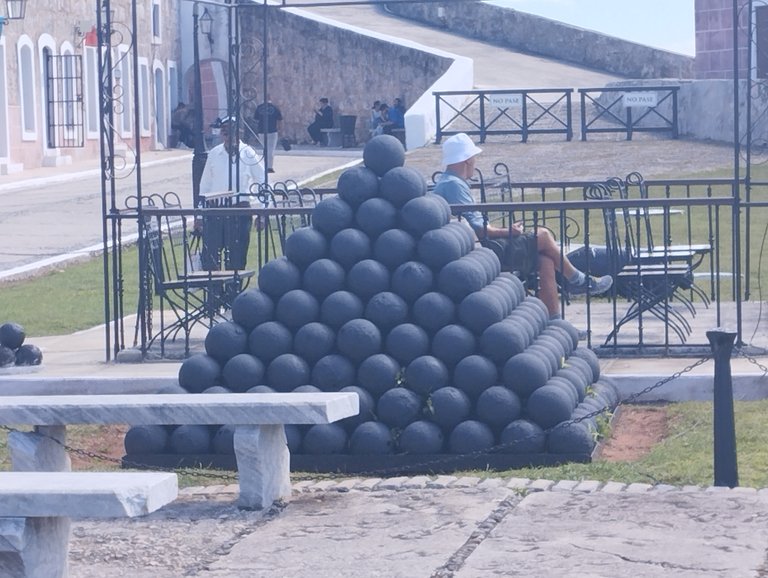


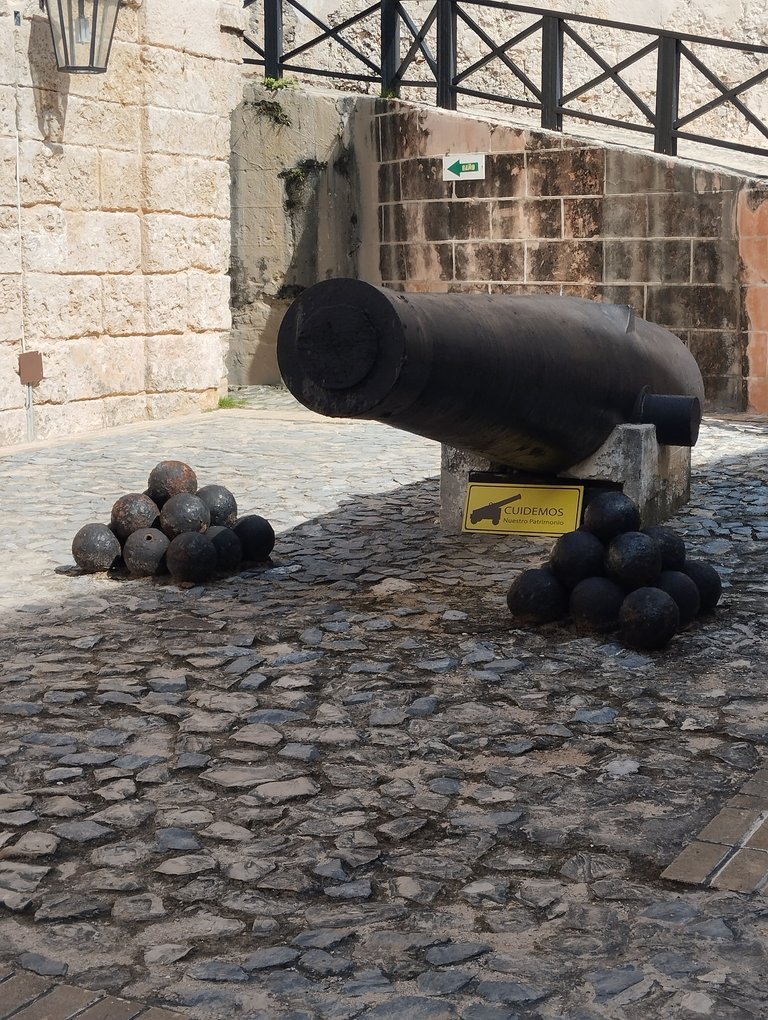
At sunset, the walk takes on a magical tone. The sun reigns over the sea, painting the sky in oranges, pinks and purples, and the city begins to turn on its lights. It is then that a unique tradition is revived: the Cannon Shot Ceremony. Just at nine o'clock at night, soldiers in 18th century uniforms march with torches through the parade ground, perform a choreography full of solemnity and, before the expectant silence of all those present, fire a cannon. The roar echoes in the bay and, in the past, announced the closing of the city walls. Today, it is a historical echo that connects all those present with a past that, here, is still palpable.

Walking through Morro-Cabaña is not just visiting a monument; It is to feel the weight and strategy of the colonial empire, it is to understand why this key to the Gulf was so disputed. Between its humid dungeons, where ancient shackles are displayed, and its large sunny patios, the fortress has been many things: a military bastion, a fearsome prison and, today, a living museum and a cultural park where Cubans celebrate various events, among which the Havana International Book Fair stands out.


At the end of the walk, back towards the modern city, one takes away more than just photographs. You get the feeling of having been in a privileged viewpoint, not only geographical, but also temporal.
The Morro-Cabaña remains there, whispering into the attentive ear stories of corsairs and galleons, of conquests and defenses, of a time when the fate of a continent was decided, in part, from these heights. It is a walk that does not end when you leave the door, but rather resonates in your memory, like the last echo of the cannon shot over the dark waters of Havana Bay.
Note: I have used the DeepL Translate translator.
The photos are my property taken with my Samsung J2 phone.
ESPAÑOL
Al otro lado de la bahía de La Habana, separado del bullicio de la ciudad por un tramo de mar azul profundo, se alza un guardián silencioso y centenario: el conjunto fortificado de Morro-Cabaña. Cruzar el túnel bajo la bahía o recorrer la carretera que bordea la costa es como atravesar un umbral en el tiempo. Dejas atrás el ritmo de los almendrones (carros antiguos) y el son, y te preparas para un diálogo con la historia, la piedra y el viento salino.
La primera parada es, inevitablemente, el Castillo de los Tres Reyes del Morro. Su silueta, coronada por el faro que, desde 1845 guía a los navegantes, es la imagen icónica que ha saludado a miles de barcos durante siglos. Subir por sus rampas y adentrarse en sus baluartes es sentir la solidez de las piedras, carcomidas por el salitre, pero indoblegables.
Desde sus murallas, la vista es un espectáculo que roba el aliento: toda La Habana se despliega al otro lado, con su Malecón serpenteante, la cúpula del Capitolio y el perfil de edificios antiguos y modernos. Aquí, el viento sopla con fuerza, llevándose consigo cualquier murmullo y dejando solo el sonido del mar rompiendo contra los arrecifes abajo. Uno casi puede imaginar la mirada ansiosa de los centinelas españoles escrutando el horizonte, esperando el velamen de un enemigo o la riqueza de las Flotas de Indias.
Pero el paseo verdadero, sereno y contemplativo, comienza al adentrarse en la Fortaleza de San Carlos de la Cabaña. Si el Morro es un brazo fuerte que se clava en el mar, La Cabaña es un gigante reclinado sobre la colina, un laberinto de fosos, puentes levadizos y larguísimas murallas de piedra caliza que se extienden por más de 700 metros. Caminar por el Camino de Rondas es una experiencia casi meditativa. A un lado, la piedra amarillenta y las garitas vacías; al otro, una panorámica eterna de la ciudad, la bahía y el horizonte del océano Atlántico. Es un lugar de perspectivas, donde la grandiosidad de la obra humana se mezcla con la inmensidad de la naturaleza.
Con el atardecer, el paseo adquiere un tono mágico. El sol reina sobre el mar, pintando el cielo de naranjas, rosas y morados, y la ciudad empieza a encender sus luces. Es entonces cuando se revive una tradición única: la Ceremonia del Cañonazo. Justo a las nueve de la noche, soldados con uniformes del siglo XVIII marchan con antorchas por el patio de armas, ejecutan una coreografía llena de solemnidad y, ante el silencio expectante de todos los presentes, disparan un cañón. El estruendo retumba en la bahía y, antaño, anunciaba el cierre de las murallas de la ciudad. Hoy, es un eco histórico que conecta a todos los presentes con un pasado que, aquí, sigue palpable.
Pasear por Morro-Cabaña no es solo visitar un monumento; es sentir el peso y la estrategia del imperio colonial, es comprender por qué esta llave del Golfo fue tan disputada. Entre sus mazmorras húmedas, donde se exhiben antiguos grilletes, y sus amplios patios soleados, la fortaleza ha sido muchas cosas: bastión militar, prisión temible y, hoy, un museo viviente y un parque cultural donde los cubanos celebramos varios eventos, entre los que destaca La Feria Internacional del Libro de La Habana.
Al final del paseo, de regreso hacia la ciudad moderna, uno se lleva algo más que fotografías. Se lleva la sensación de haber estado en un mirador privilegiado, no solo geográfico, sino también temporal.
El Morro-Cabaña permanece ahí, susurrando al oído atento historias de corsarios y galeones, de conquistas y defensas, de un tiempo en el que el destino de un continente se decidía, en parte, desde estas alturas. Es un paseo que no termina al salir por su puerta, sino que resuena en la memoria, como el último eco del cañonazo sobre las aguas oscuras de la bahía habanera.
Nota: He utilizado el traductor DeepL Translate.
Las fotos son de mi propiedad tiradas con mi teléfono Samsung J2.
This post has been shared on Reddit by @mayt through the HivePosh initiative.
Loved the tour! Thanks for sharing
Thanks you very much. Blessings.
What an interesting maritime fortress I'm very enchanted from these old buildings in the sea!!💯😍 This is not a walk it's a little interesting tour !!